Neuroscience Insights: Advances in Brain Studies (ISSN: 3071-0138)
Case Study Volume: 2 & Issue: 3














 <
<



Case Study Volume: 2 & Issue: 3
The use of cow’s milk is highly normalized in Western cultures, but should not be considered a proper nutrient for everyone. If children experience continuous phlegm-related illnesses when consuming cow’s milk, such as ENT issues, these alarms should be taken seriously. Therefore, even if people have consumed cow’s milk in various forms for centuries, it does not mean it is generally suited for humans, as cow’s milk is inherently meant for its offspring. Today, humans have developed more effective and sustainable farming methods, thereby limiting the demand for cow’s milk as a nutrient. Using cow mothers as production animals also appears exploitative, especially when considering the similarities between mammals and a mother’s love for her babies. We must not only protect our children, but also Mother Earth and Father Sky for future generations, while mitigating methane emissions resulting from cow’s milk production.
Accordingly, more weight should be placed on clinical findings of allergies and the elimination of allergens, especially for growing children. However, the benefits of breastfeeding are not unproblematic, as allergens are present in breast milk and create allergic symptoms in children if the mother consumes foods to which the child is allergic, not to mention antibiotics. Therefore, this research suggests holistic approaches to treating children, such as elimination of allergens, manual manipulation of soft tissues, and SCIO therapy.
keywords: Allergens, allopathic medicine, children, Cow’s Milk Allergy, elimination, food allergies, holistic approaches, mitigation, phlegm, prevention.
Western states and Europe have a long tradition of allopathic medicine, which is regarded as conventional and mainly as modern Western medicine. Even when it is stated to be evidence-based,22 it appears less resourceful for treating allergies, based on this case study. Accordingly, consuming cow’s milk and grain products together with meat has been typical for centuries. In actuality, these are still the main sources of nutrition today. This was and is still common in Finland, as it is still typical to drink cow’s milk with meals. In fact, the Finnish Food Authority still recommends cow’s milk or buttermilk as excellent meal accompaniments.16
Cow’s milk and gluten-based grains, such as wheat, rye, oats, and barley, are also very common, although rice and buckwheat are becoming increasingly common for those who are allergic to gluten. Accordingly, only a few people were allergic before the millennium, and for example, bronchitis was cured with steam inhalation and natural honey.
However, allergies are very common today, and a person with a food allergy needs to be extremely careful with dairy- and gluten-free products and cannot rely only on the labels on bread packages, for example. This is based on legalities, as under EU Regulation No 828/2014, bakeries and factories can label food as gluten-free even when it is not naturally gluten-free, i.e. totally gluten-free, such as rice. The Commission Implementing this Regulation further states that people with celiac disease cannot consume wheat, spelt, khorasan wheat, rye, and barley because they contain gluten.14 Yet, there is no mention of persons having a grain allergy, which requires an even more restrictive diet, namely naturally gluten-free.
The term in the Regulation’s implementation specifies in detail how gluten is either absent or reduced in food. It concludes under point A, General requirements, that wheat-based bread can legally be called “gluten-free” if it has been specially processed and the final product meets the ≤20 mg/kg requirement.14 Is this not contrary to common sense, as so many celiacs still experience bowel problems? And what about people who have cereal or grain allergies? Under this law, they could consume “gluten-free” foods,14 even when they should only consume naturally gluten-free grains such as rice and buckwheat.
The case is much more complicated with cow’s milk, as it appears to be present everywhere. Milk powder is commonly added to bread, instant drinks, breakfast cereals, processed foods (sauces, soups, ready-made meals, etc.), protein and nutrition products, and, most importantly, baby and toddler foods and formulas. Even when some children are identified as suffering from Cow’s Milk Allergy (CMA), this case study alleges that it is common for doctors to prescribe processed formulas that are, nevertheless, made from cow’s milk, in the form of hydrolyzed whey protein. However, hydrolyzing the milk protein does not make the product free of cow’s milk; it only makes it more processed. Therefore, if the allergen is labelled as cow’s milk, formulas made from cow’s milk are not dairy or lactose-free, regardless of what the package label indicates. As the Finnish Food Authority indicates, a product can be labelled as “lactose-free” when it contains less than 10 mg per 100 g or 100 ml, and as “low lactose” when its lactose content is less than 1 g per 100 g or 100 ml.18
When comparing the logic of labelling cow’s milk and gluten in products, one can see the same flaws for allergic people – meaning the product is labelled as free of gluten or cow’s milk/lactose – when it is not that in reality. This means that allergic persons must be very informed consumers, sometimes even knowing more about food allergies than regular doctors do. The interdisciplinary part of this study also briefly discusses cows’ welfare, such as their right not to be exploited. This is the reason why this research takes on an interdisciplinary method, to answer the main research question of this case study:
Is It Humane for Humans to Consume Milk and for Cows to Produce It?
It is accordingly important to study the negative effects of cow’s milk, how a CMA, namely Cow’s Milk Allergy, presents itself, and what recommendations could be made, especially for children exhibiting severe symptoms of diarrhea and vomiting. Therefore, this study will discuss the following research questions:
1. What are the symptoms of CMA in children, especially?
2. What could be done to reduce CMA among humans?
An interdisciplinary case study methodology is used to examine allergy-related challenges within a specific context and to develop recommendations for modifications based on the case study findings and existing research. However, this study places greater emphasis on the clinical findings of four allergic individuals, namely a mother and her three children. Accordingly, the analysis first presents the findings and then, where applicable, explains them through the literature. To maintain anonymity, the author will call the mother Zoe, and her children Ivy, Joy, and Aya. As they are all allergic in different ways, this case study will propose recommendations for CMA.
To enhance reader comprehension, the rhetorical structure follows that used throughout the twelve previous articles.1-12 Therefore, the titles communicate the principal finding of each section, while the accompanying analysis provides the evidence, reasoning, and discussion supporting that conclusion. This approach seeks to maximize clarity, transparency, and reader comprehension by communicating the principal findings before presenting the supporting analysis.
It must first be mentioned that dairy-producing ruminant animals like cows generate methane, which is a powerful greenhouse gas, and cow’s milk production demands a lot of resources on land, water, and other natural resources. Additionally, dairy is not a must when the same nutrients are available in other sources.19 Yet, it is apparent in most Western countries that, in grocery stores, products based on cow’s milk constitute one of the largest product categories, if not the largest. Likewise, the majority of infant formulas are made from cow’s milk.
Yet there are many similarities between cow and human mothers, and it seems inhumane not to recognize them. Cows, as sentient animals, have welfare needs that include freedom from unnecessary suffering, adequate nutrition and shelter, appropriate veterinary care, and the ability to express natural behaviors. From an animal rights perspective, cows should not be treated merely as human property or exploited for human purposes. This includes allowing them to maintain natural bonds with their calves, allowing their calves to suckle for longer, and permitting them to reproduce naturally without artificial intervention e.g.28 Therefore, the questionable assumption that cow’s milk is inherently suitable for human consumption does not make sense, as nature has designed cow’s milk for their calves. Can you imagine a human suckling directly from a cow? This is what we are now doing indirectly. And why not elephant’s milk, since it is a bigger animal and would logically produce more milk?
Accordingly, in many cases, cows are not allowed to keep their babies, and are additionally artificially inseminated by a veterinarian to produce milk, as cows normally produce milk in connection with pregnancy. Accordingly, scientists conclude that, in conventional systems, cows’ babies, the calves, can suffer from hunger and impaired social behavior when they are weaned too early from their mothers.13 Research also indicates that very early separation can reduce acute distress responses, while prolonged cow–calf contact can have positive effects on calf behavior and welfare.23
Regarding Zoe, despite the challenges she experienced with breastfeeding and the allergen elimination diet, it is highly recommended for humans as the exclusive nutrient for infants up to six months.24 Scholars have also found that breastfeeding creates a close connection between mothers and their children and can be associated with a safer infant-mother attachment.20 As animal mothers are extremely caring, cows can be perceived similarly. Since cows are also mammals like humans, this research finding correlates with humans and cows suckling for prolonged mother-child contact, as cow–calf contact can also have positive effects on calf behavior and welfare.23
Zoe became a mother in her twenties and had three children with her husband. Before the emergency C-section during the birth of her first child, Ivy, she had no awareness of allergies, antibiotics, or cow’s milk allergy (CMA). When Joy and Aya were born, they appeared to experience health challenges similar to those of their older sister, although the underlying cause remained unclear. It was only after years of dealing with similar issues and going to several pediatric doctors that Zoe began to understand the significance of both her and her husband having allergies and the increased likelihood that their children could also develop allergic conditions. Scientists Pyrhönen et al have similarly concluded that the incidence of positive food-allergy (FA) among 3,800 Finnish children was threefold higher when both parents were allergic.25
For an unknown reason, Zoe developed a severe inflammation with a fever resembling malaria due to or during the birth and C-section. As her water broke before the hospitalization, the canal to the womb was open, but accordingly, the doctor performing the C-section was severely ill, I died soon after Zoe’s surgery. As her CRP (C-reactive protein) was far too high, the hospital prescribed her antibiotics and added other ones to the mix due to the persistent inflammation. Additionally, following the caesarean section, Zoe experienced hyperlactation, namely excessive breast milk production, and the process of breastfeeding made her sympathize with cows enormously. Due to excessive milk volume, her firstborn experienced difficulty in suckling effectively, which contributed to breast inflammation in Zoe. The treatment was particularly rough, as the hospital used mechanical milk extraction to relieve breast engorgement, resulting in nipple trauma, bleeding, and additional breast-related symptoms. During the two-week hospitalization, Zoe still managed to breastfeed Ivy, but very soon, Ivy started to vomit forcefully after suckling and had severe diarrhea.
After the hospitalization period, Zoe received repeated courses of antibiotics due to chronic sinusitis. After several medical needle aspirations and drainage procedures, her doctor concluded that the needle could no longer puncture the bone in her cheek. This diagnosis was later confirmed as a severe allergy to grains and other allergens, causing thickening of the mucous membranes. At this point, she was also consuming cow’s milk without knowing that it was contributing to increased mucus production. Additionally, the balance of her normal microbiota was disrupted, and she developed vulvovaginal candidiasis, as described in the medical literature.26 As Ivy had also been prescribed several courses of antibiotics, she developed the same problem with Candida.
The cases with her children followed much the same pattern as her own, even though they were continuously treated by pediatric doctors in both private practice and hospital settings. Several allergy tests, including skin prick tests and IgE testing, confirmed that all three children were allergic. For example, Ivy was prescribed medication to take after eating to help keep the food down, but without success. Unfortunately, the variation in test results among the children did not provide reliable indicators of their specific allergens. The middle child was also diagnosed with a rubber allergy, which later likely contributed to her anaphylactic shocks. Yet, no definitive diagnosis could be made.
Accordingly, the allopathic medicines employed by Western medicine, such as prescription medicines and baby formulas, did not seem to help Zoe or her children, as they were mainly targeted at reducing the symptoms, but not the cause of allergies or other related illnesses. Antibiotics also seemed to destabilize the body’s own good bacteria, thereby causing other related problems.
At this point, the research highlights that allopathic pediatricians repeatedly emphasized the importance of consuming cow’s milk products, and several cow’s milk-based formulas were prescribed for Zoe’s children. However, their symptoms persisted and remained life-threatening, and whatever Zoe did, she appeared unable to resolve the problem for her children, let alone for herself. The children were also repeatedly prescribed antibiotics, but no definitive solution was offered to Zoe.
However, only today does Zoe understand, based on the experiences of her three allergic children, that their severe vomiting and diarrhea were probably caused by excessive antibiotic use and continued exposure to cow’s milk, even after she had eliminated it from their diet. This conclusion is drawn because pediatricians repeatedly prescribed formulas made from cow’s milk. In another similar case, the child was diagnosed with cow’s milk allergy (CMA) but was still prescribed formulas that inherently contained cow’s milk. She was also prescribed antibiotics to tolerate cow’s milk, which eroded her baby teeth, causing lifelong dental problems. In a third case, a mother fed her two babies yoghurt using a baby bottle, which also resulted in tooth erosion and affected her daughters’ pronunciation of letters like r.
The reasons outlined above, together with Zoe’s experience, underpinned the earlier analysis in this case study, which concluded that hydrolyzed milk protein is still derived from cow’s milk and should be completely eliminated from a child’s diet if allergy symptoms persist. During the breastfeeding periods of her three children, Zoe also consumed cow’s milk. As she later concluded, everything she ate or drank entered her breast milk, including cow’s milk and other allergens, such as grains and fish. Accordingly, because Zoe was continuously prescribed antibiotics due to chronic sinusitis, the children’s stomach problems worsened during those periods of breastfeeding. The Finnish Food Authority also states that CMA is genetically predisposed and that lactose intolerance is hereditary in Finland.17 This is consistent with this case study, as the children’s father is at least lactose intolerant, and Zoe later found that cow’s milk was not suitable for her.
When examining the literature, Cow’s Milk Allergy is quite a typical topic in medical research. Studies on CMA and adverse reactions to protein in cow’s milk, namely Cow’s Milk Protein Allergy (CMPA), highlight that infants do not always tolerate unmodified cow’s milk. Accurately, the research validates Zoe’s conclusion, as the elimination of cow’s milk protein concerns both breastfeeding mothers and infants,27 even when her conclusion would be to eliminate cow’s milk totally. Accordingly, CMPA is often missed in primary care, yet more attention is needed due to early reactions in infants, such as urticaria and vomiting. The later reactions are also essential for diagnosing the allergy and can appear in the gastrointestinal tract.27 In clinical testing, 58% reacted within two hours after the challenge dose, and the remaining 42% reacted later. Accordingly, infants with early reactions were more likely to show these allergies on skin prick testing (SPT), and for later reactions, specific IgE tests were positive.27 To conclude, based on this literature and the cases on hand, allergy testing is less indicative of prognosis and can often only reference allergies, but is not a clear diagnosis of precise allergens.
As mentioned earlier, Zoe and her children were allergy-tested several times, but when no clear diagnosis could be made, the health issues continued. For example, Ivy was challenged with a dose of cow’s milk at the hospital, but the reaction, i.e. diarrhea, occurred only after the challenge dose, outside the hospital. For all three children, chronic ear infections (otitis) began around the age of one. The children had to have ear tubes inserted several times because of chronic ear infections to drain the infected fluid. Their ears were aching a lot, and it was hard for them and for Zoe, who felt so helpless with all the symptoms. Bronchitis, i.e. lung inflammation, was diagnosed somewhat later, as were sinus infections (sinusitis). For the chronic sinusitis, larger and additional holes were made to drain the phlegm from the sinuses, which were somewhat helpful but did not – again – solve the problem with allergies.
Ivy, the oldest child, had it especially hard at about two years old, with a high amount of phlegm in her throat and lungs. When Zoe tried to help her get rid of the phlegm, she turned her upside down to drain the lungs, and it was scary how much came into her throat, as she was almost suffocating due to the high amount. The youngest child, Aya, also had urticaria, and again the reason for it was unclear. Based on all the symptoms, so much medication was prescribed, and new ones were tested when the earlier ones did not work. It was a vicious cycle for the children and appeared impossible to break, even though Zoe consulted pediatricians continuously.
During one of the several appointments with the local hospital’s Head of Pediatrics, Zoe was told that allergies are like adding liquid to a glass. When one continues to add allergies to a glass, it will finally overflow, causing symptoms. However, even when this metaphor is clearly comprehensible, the children’s treatment did not follow it, as cow’s milk was prescribed for children without Zoe understanding it. Therefore, it would have been important to prevent allergies. It was accordingly never mentioned to Zoe, and she trusted the doctors. It furthermore appeared that her observations did not matter, as pediatricians likely only followed their education, which appeared insufficient for severely allergic children.
Luckily, further allergy tests were conducted for both children and Zoe, and all four were diagnosed with grain and pollen allergies. For grain, a total elimination was obligatory, as products labelled as gluten-free could still include wheat, oats, barley, and rye, and were only suitable for celiacs - a milder illness to treat. Grain allergies included all forms of domestic grains mentioned above.
Pollen allergies included both grass and tree pollen, and mitigation by desensitization was required for all four. Tree pollen allergies are especially important in food allergies, as birch pollen allergy can cause cross-reactions to foods such as raw carrots e.g.,15 and Zoe also noticed that apples and other similarly colored foods caused allergy symptoms. For pollen allergies, the local hospital arranged a three-year program of subcutaneous pollen immunotherapy injections as a desensitization regimen, which was really effective for Zoe. She also noticed how several somewhat non-natural additives, such as preservatives, caused allergic symptoms in children. Therefore, it was important to prefer natural, less processed or organic foods.
After many trials and errors, Zoe was certain that, regardless of the form of cow’s milk, her children could not tolerate it. This became evident to her even without a diagnosis of CMA, based on her 20-year experience. Unfortunately, this realization came only after many years, and her confusion and distrust of pediatric doctors were enormous, as cow’s milk formulas were prescribed despite the clinical findings and the enormous challenge with allergies among her children. Additionally, she found that cow’s milk was extremely phlegm-building for her children, and that after total elimination, her children suffered less from inflammation in the ears, lungs, and sinuses.
At this point, Zoe had turned to more holistic approaches to maintain health. For example, traditional Finnish manual treatment, the so-called bone setting or bone and joint manipulation, i.e. jäsenkorjaus in Finnish, was effective for children with ear infections and sinusitis. Zoe observed that the treatment drained phlegm from her children’s sinuses by improving blood circulation in the ears, thereby easing pain and draining inflamed fluid. Additionally, before the treatment, the doctors had diagnosed otitis, and after the treatment, the ear inflammation was cured. In Zoe’s children, the therapists manipulated soft tissues and muscles in the neck, sinuses, and around the ears, which resulted in improved lymph and blood circulation. Even though bone setting is often associated only with bones, it also manually mobilizes muscles, joints, ligaments, and soft tissues. A study also concluded that the benefits of bone setting were greater for neck pain than in the physiotherapy group.29
As children’s health was now stabilized by elimination of cow’s milk, grain, and mitigation by e.g. pollen desensitization, Zoe was also treated by a naturopathic SCIO therapist to mitigate her allergies. SCIO is an acronym for Scientific Consciousness Interface Operations System, developed by Professor William C. Nelson. His interests were to create holistic health, as well as bring awareness of the economic interests within allopathic medicine and the synthetic drug industry.21 The SCIO program also diagnosed and treated Zoe with CMA, and she is currently feeling much better, even when cow’s milk in all its forms remains unsuitable for her.
Based on this case study, improving food labelling is essential, particularly because statistics indicate rising allergy rates in Western cultures. Therefore, the food industry should only be permitted to label products as “free” of something when they genuinely are, for example, gluten- or cow’s-milk-free. There are certainly viable alternatives to whey protein and milk powder, given the wide range of plant-based milks available. For example, Zoe experiences no allergic symptoms when consuming coconut- or soya-based milks and yoghurts. Plant-based products are also more humane for cows, as they reduce demand for milk, and beneficial for Mother Earth and Father Sky by mitigating methane emissions.
To mitigate allergies at an individual level, doctors should be trained to understand the negative effects of phlegm-building cow’s milk on respiratory, throat, ear, nose, and lung inflammation.
Since cow’s milk must be highly processed in many ways for humans to digest it, the logic of considering it a proper nutrient for humans must be challenged. As Zoe’s experience with SCIO therapy in treating her allergies was so positive, this research suggests SCIO training for medical doctors, as it would treat patients holistically rather than “separating” body parts into different medical specializations, such as ENT, pediatrics, etc. Accordingly, when years of clinical findings suggest CMA, the product must be eliminated from the human diet. Furthermore, replacing gluten-containing grains is an alternative for grain allergies, as rice and buckwheat are naturally gluten-free and would therefore be better suited for people with celiac disease, too. Additionally, Asian food is usually very much based on rice and vegetables, thereby providing a valuable option for people with food allergies. Figure 1 below summarizes the holistic approaches to mitigate allergies, where cow’s milk is regarded as a foreign nutrient, often unsuitable as a human nutrient.
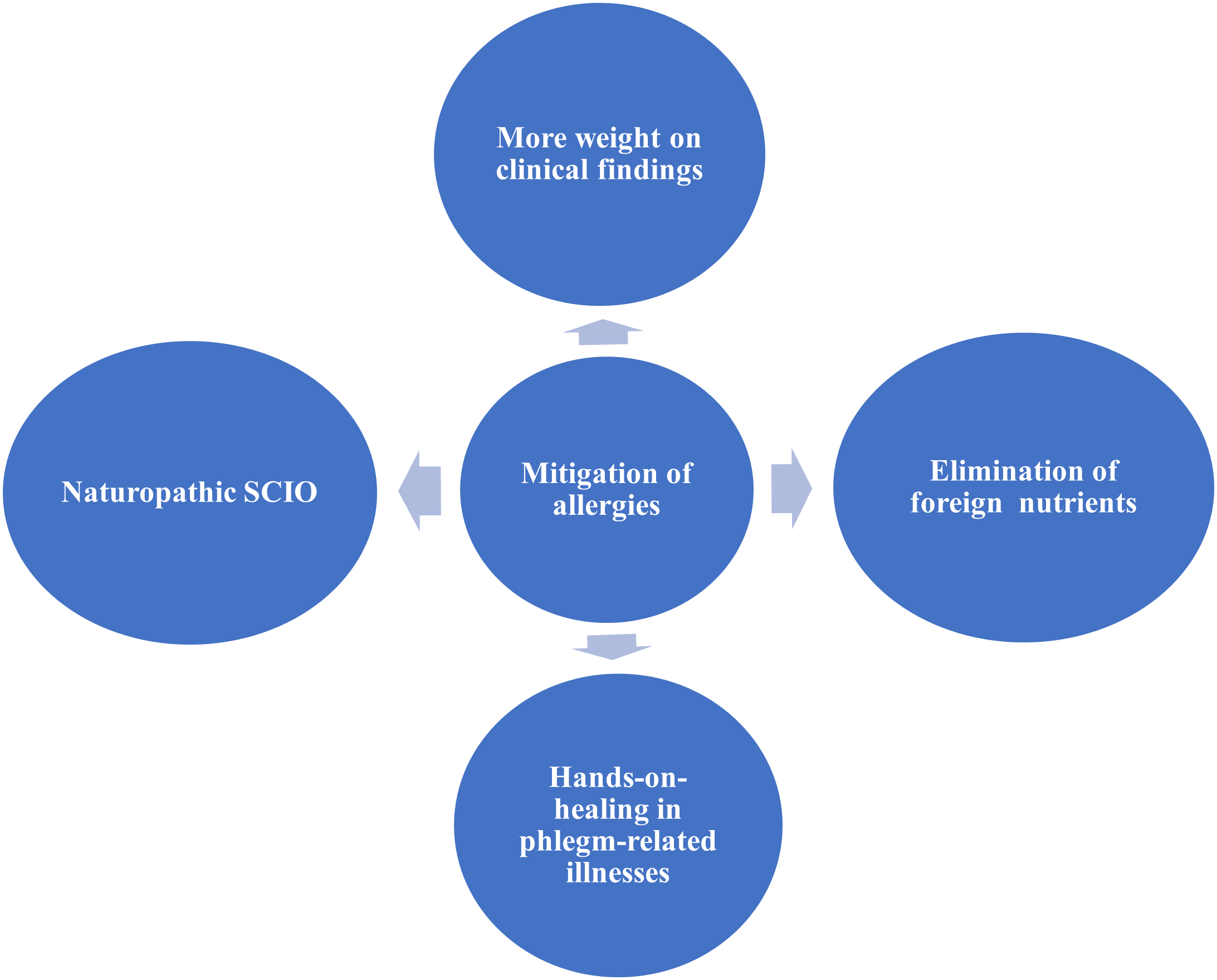
Figure 1. Holistic Approaches to Allergies at the Individual Level.
This case study has examined cow’s milk allergy (CMA) from an interdisciplinary perspective, questioning the extent to which the widespread normalization of cow’s milk and grain products in Western nutrition may contribute to the persistence, recognition, and management of food-related symptoms. Cow’s milk is accordingly extensively present in processed foods, infant formulas, and other products, which can make avoidance difficult for individuals with CMA. Misleading or insufficient labelling may further complicate the identification and elimination of potential allergens.
The experiences presented in this case study also raise important questions about the treatment of severely allergic children within conventional medical practice. Repeated prescriptions of antibiotics and continued use of cow’s milk-based formulas are problematic when symptoms such as vomiting, diarrhea, respiratory problems, phlegm, otitis, sinusitis, bronchitis, or asthma are associated with food allergy or intolerance. The case therefore illustrates the importance of carefully investigating the underlying causes of symptoms rather than treating recurring symptoms in isolation.
At the same time, the discussion of breastfeeding, infant formulas, and the biological relationship between mothers, infants, and other mammals highlights broader ethical and nutritional questions concerning the use of cow’s milk for humans. These questions should be considered alongside scientific evidence regarding nutrition, allergy prevention, and appropriate medical care, rather than through assumptions that cow’s milk is universally beneficial or appropriate.
The case study further demonstrates the potential value of individualized approaches to allergy management. Elimination of confirmed or suspected allergens, careful identification of other possible triggers such as grains and pollen, and evidence based desensitization strategies should be considered. When no definite diagnosis is presented by allopathic medicine, it is advisable to explore more holistic approaches in conjunction with medical assessment, particularly in children with severe allergic reactions. Overall, the case highlights shortcomings when CMA is not recognized promptly or when recurring symptoms are managed without adequately investigating dietary and environmental triggers. A more comprehensive approach would combine accurate diagnosis, appropriate allergy testing, individualized dietary management, transparent food labelling, careful medication use, and ongoing monitoring of the child’s nutritional and medical needs. Such an approach could provide a more balanced framework for understanding CMA, while reducing unnecessary treatments and improving the quality of care for affected children and their families.
