Neuroscience Insights: Advances in Brain Studies (ISSN: 3071-0138)
Case Study Volume: 2 & Issue: 4















 <




Case Study Volume: 2 & Issue: 4
The West is suffering enormously from obesity and diabetes-related illnesses. Yet, based on this case study, current health care seldom recommends dietary exclusions for mothers unable to tolerate sugar or cow’s milk, but tries to solve the problem with very technical solutions. These include “high-tech” processes to produce sweeteners from sugar alcohols, for example. Even when the artificial sweeteners may appear vital, the human body can react to additives similarly to sugars, raising risks for complications and C-sections for pregnant mothers. Thereby, sugar and sugary foods and beverages should be eliminated from a pregnant mother’s diet, not only for maternal health, but also to prevent Type 2 Diabetes for children later in life. As WHO states, humans do not need added sugars, and proposes higher taxation on sugary beverages.
The empirical findings of this research warrant eliminating sugar in pregnancy, creating better maternal conditions, thereby avoiding possible complications with C-section and sizeable newborns. Especially when the same parents with family predisposition to diabetes can have three different outcomes of birthing and newborn size, the only variable in this case was the mother’s diet. Thereby, a strict sugar elimination resulted in an easy third pregnancy and delivery. Accordingly, based on other findings regarding sugar and sweeteners, it is advisable to avoid them, as humans do not need added sugar or any additives. Sugar is nevertheless available naturally in fruits and berries, and therefore, sugar should remain a luxury commodity - advisable only rarely - as we cannot “party” every day.
keywords: Artificial Low-Calorie Sweeteners (LCS), Babies, Gestational Diabetes Mellitus (GDM), Predisposition, Pregnancy, Prevention, Sugar and Sweetener Elimination, “Sugar Disease”, Type 2 Diabetes Mellitus (T2DM)
“Sugar disease” is the old term for diabetes, and its meaning might be more informative than merely diabetes. As sugar consumption has increased substantially in Western states, so have overweight and diabetes rates among children and young adults. When examining old photographs of Westerners from the 1940s, everybody was slim, with no overweight individuals. Today the picture has changed extensively, as one can see overweight people every day. Accordingly, it is seen as an insult to be called overweight, even when the problem is not in how an individual looks, but the severe problems coming later on in the form of diabetes or musculoskeletal problems. Additionally, if a pregnant mother is prone to high sugar levels, it presents challenges for both the mother giving birth as well as the sizeable newborns coming through the birth canal.
The historical development of sugar production transformed sugar from a luxury commodity into a widely consumed product. Accordingly, sugar plantations were mostly established by Westerners exploiting slaves at the beginning of the 16th century, and became extremely profitable until the abolition of slavery.22 Today, sugar is mostly produced by Russia, the US, Germany, France, Turkey, and Poland.29
However, some changes to sugar production and consumption are in sight, as consumers and health officials are more aware of the possible side effects of high sugar consumption.6 As with misleading milk-free food labelling that still contains highly processed milk,3 the situation appears similar with sugars and sweeteners. Thus, sugar-free does not mean sweetener-free, a fact essential to regular consumers but vital for patients with an increased genetic risk of diabetes or overweight. Non-nutritive sweeteners (NNS) are commonly added to “sugar-free” beverages and considered non-caloric, yet research has shown physiological responses, such as glucose intolerance, and effects on gut microbiome composition.21
When examining obesity and diabetes rates in Western states, sugar and sweetener use can be concerning for pregnant mothers. Gestational Diabetes Mellitus (GDM) has become more prevalent in the US alongside obesity and can cause serious health issues for both the pregnant mother and the fetus. GDM can cause spontaneous abortion and fetal anomalies, while fetal exposure to hyperglycemia, i.e. high blood glucose/sugar, increases the risks of obesity and Type 2 Diabetes Mellitus (T2DM) later in life.1,19 Although research on sweeteners’ effects on diabetes and newborn size remains limited, existing evidence suggests that high blood glucose is a significant risk and can lead to miscarriage and C-section delivery.4 Therefore, this research hypothesizes that sugar and sweeteners have comparable effects on humans and pregnant mothers. Based on this hypothesis, this research uses an interdisciplinary method to answer the main research question of this case study:
Is It Advisable for Mothers to Consume Sugar and Sweeteners in Pregnancy?
It is therefore important to study the negative effects of added sugar and sweeteners, as the human body does not need them. As fruits and berries naturally contain sugars, they can serve as natural sources of sugar. Accordingly, sweeteners are marked with E-codes and are therefore additives that can cause allergy-related symptoms in children, as in Brink.3 Hence, this study aims to answer the following sub-questions to determine whether sugar and sweeteners can contribute to Gestational Diabetes Mellitus (GDM) and whether their consumption is harmful to pregnant mothers, fetuses, and newborns:
1. What are the effects of sugar and sweetener consumption on fetuses, newborns, and mothers?
2. How could sugar and sweetener consumption be reduced among humans to prevent the harmful consequences of high blood sugar during pregnancy?
This study continues to examine Zoe’s and her three children’s cases,3 using an interdisciplinary case study methodology to investigate sugar-related adverse effects. Examining these potential effects is especially vital for pregnant mothers, fetuses, and newborns to develop recommendations based on the case study findings and existing research. This study emphasizes the clinical findings in the family of Zoe, who is predisposed to diabetes, as her three children have different birth outcomes despite having the same parents. Accordingly, the analysis first presents the findings and then, where applicable, explains them through the literature. To maintain anonymity, the author calls the mother Zoe and her children Ivy, Joy, and Aya. As they might all be predisposed to diabetes later in life, this case study proposes recommendations to prevent or reduce the risks.
To enhance reader understanding, the rhetorical structure follows that of the previous article on cow’s milk allergy.3 The titles communicate each section’s principal finding, while the accompanying analysis provides the supporting evidence, reasoning, and discussion. This approach aims to maximize clarity, transparency, and reader comprehension by presenting the principal findings before the supporting analysis.
During Zoe’s three pregnancies with Ivy, Joy, and Aya, her blood sugar was high in the first and third pregnancies, yet the subject of diabetes in general or specifically the Gestational Diabetes Mellitus (GDM) during the pregnancy was unknown to her. However, later in life, she noticed how her blood sugar rose easily during an Oral Glucose Tolerance Test (OGTT), even when her sugar intake was normally low. This is also why she now understands the effects of her genetics, as well as the hereditary genetics of her children’s father. Zoe’s grandmother from her father’s side had old-age diabetes, i.e. Type 2 Diabetes Mellitus (T2DM), possibly also due to her being overweight.
Additionally, her children’s maternal grandmother also had diabetes in her family, as her maternal uncle suffered from severe diabetes, and his other lower limb was amputated, but he was not overweight. Accordingly, her children’s father had diabetes from his father’s side. To summarize, all this predisposed both her and her children to Type 2 Diabetes Mellitus.
Accordingly, as a side effect of gestational diabetes, the mother can also be predisposed to urinary tract infection, which was the case after two pregnancies for Zoe, as her urine contained a considerable amount of blood even without catheterization. Even though Finnish prenatal care monitored Zoe’s blood sugar and her baby’s size during the pregnancy, she did not understand the possible strain on her and her pregnancy. Persistent contractions also accompanied the first two pregnancies with Ivy and Joy.
When Zoe became pregnant for the first time with Ivy, she experienced continued bleeding and contractions and was in danger of losing her child. She also found it strange that her stomach was always so hard, unlike her friend’s soft stomach during pregnancy. However, she was able to carry the pregnancy to full term, and labor began when her water suddenly broke. Once in the hospital, despite severe contractions, Zoe’s birthing canal did not open sufficiently. The doctors tried to induce labor for 36 hours without pain medication, even though she was experiencing severe pelvic girdle pain. After such a long time and continuous contractions, Zoe was exhausted, and Ivy’s heart rate worsened.
Only after 1.5 days of induced labor did the doctor in charge decide to perform an emergency C-section under epidural anesthesia, with Zoe awake. However, the pain relief did not work, causing Zoe severe pain during surgery. Nevertheless, Ivy was born healthy, weighing about 7.7 pounds. Only after Ivy’s birth did the hospital understand that the umbilical cord was wrapped around Ivy’s neck. Together with Zoe’s severe pelvic pain that prevented the opening of the birth canal, the delivery did not succeed, as the combined factors likely physically prevented the baby from passing through the too-narrow birth canal. During the contractions or surgery, Zoe also developed severe inflammation that required two weeks of antibiotics. Based on her experiences with pregnancy, Zoe also helped a Syrian mother with gestational diabetes, even though all three of her children were delivered by C-section because of their larger size. Doctors also indicated that a fourth C-section would be unsafe and strongly advised against it.
Even though the birth of her first child, Ivy, was traumatic, Zoe noticed how easily she became pregnant again after finishing breastfeeding. Her body reacted the same way: two weeks after stopping breastfeeding, her menstruation returned, making conception possible again. However, the first two pregnancies involved continuous contractions, and the risk of miscarriage was distressing for Zoe. She thought that nature worked in mysterious ways, as getting pregnant was so easy and breastfeeding made the children overweight, yet the deliveries were difficult the first two times.
After the difficult delivery of her middle child, Joy, Zoe understood how her regular but unlimited sugar intake had contributed to Joy weighing more than 8.9 pounds. As Joy was also her first child to be born naturally through the birth canal, the delivery caused Zoe additional health issues that later required surgeries. However, her blood sugar was not high, leaving her unaware of the risks.
Nevertheless, the size of Zoe’s belly during Joy’s pregnancy was noticeable, suggesting the child would also be large. Accordingly, she had difficulty simply walking during the pregnancy, and prenatal care explained this as symphysiolysis. This is a medical term for when the bones of a pregnant mother’s pelvic girdle separate or widen excessively, causing significant pelvic girdle pain (PGP). Furthermore, she needed powerful pain medication to open her birth canal in delivery.
Zoe was already an informed mother when she became pregnant with her third child, Aya, as stomach measurements again indicated a sizeable baby. Zoe therefore stopped consuming sugar, which positively affected Aya’s newborn weight of about 7.7 pounds. Aya’s delivery was also the easiest for Zoe, and the birth was scheduled for induction at the hospital due to complications during her previous deliveries.
However, Zoe’s birthing canal did not open sufficiently without pain medication, and the hospital indicated that Aya would not be born that day. To allow Zoe to rest, the hospital finally decided to give her pain medication, and shortly after its administration, she delivered Aya without complications. Zoe therefore summarized her births: Her birth canal would not open unless she were given pain medication.
Gestational diabetes – or diabetes-related illnesses – can cause nerve problems, making this important to examine in Zoe’s case, as she experienced severe pelvic and lower back pain, as well as aching in her left lower limb during pregnancy. Accordingly, her birth canal opened only after she received pain medication in the two later pregnancies. Zoe’s pregnancy and delivery pain may be explained by diabetic peripheral neuropathy, which can be painful. Pregnancy and childbirth can cause nerve damage, leading to leg weakness, numbness, or lower back pain.17 These symptoms are common during pregnancy and may be mistaken for normal pregnancy-related changes, causing diabetic nerve damage to go unnoticed. Diabetes can also affect other nerves, including those in the head and those compressed or trapped in the body.17
Accordingly, vaginal delivery can sometimes cause nerve damage affecting the pelvis and legs, known as obstetric neuropathy during pregnancy, childbirth, or after delivery. This occurs in around 1% of births and can cause pain, numbness, or weakness.20 The researchers also note that pregnancy may worsen nerve problems in women with insulin-dependent diabetes.20
When examining Zoe’s challenges during pregnancy and childbirth, it is advisable to consider dietary constraints and sugar intake. Although Zoe was not overweight during pregnancy, she jokes that she is addicted to sugar and sweet tastes; sugar addiction has, in fact, been studied as a form of addictive behavior.2 Even after her children were born, she could not buy anything containing sugar or sweeteners, as she could not resist the temptation. Accordingly, she has no other addictions, although sugar is not typically considered addictive.
However, sugar and sweet tastes might be among the most, if not the most, addictive “drugs” known to mankind, and current labelling can confuse those predisposed to diabetes or high blood sugar, i.e. hyperglycemia. Research shows that sugar consumption affects the human brain and eating behavior, and excessive sugar intake may produce addictive-like effects through the brain’s natural reward pathways, involving opioids and dopamine.2 Additionally, non-sugar sweeteners are commonly added to foods and beverages. Based on toxicological testing, there is no clear consensus that non-sugar sweeteners are essential for long-term weight loss or its maintenance.25
When examining food and beverage labelling, it appears to follow the same logic as “dairy-free” products in Brink:3 labelling a product as sugar-free does not mean it is entirely free of sugars or sweeteners. The EU defines, among other claims, sugar-free products as those containing no more than 0.5 g of sugars/100 g for solids and 0.5 g/100 ml for liquids.7 Accordingly, consumers must be informed, as the terminology can make added sugars less immediately obvious, especially when they do not recognize that terms such as dextrose, glucose syrup, and fructose refer to sugars. Under EU rules, sucrose, dextrose, and glucose syrup are identified by their respective names.12 The FAO/WHO Codex Standard for Sugars defines the sugars as follows:
Even when Zoe does not consume sugar as such, she notices clear indications of sugar-related effects, even when she uses Xylitol as a sweetener. Yeast used in bakeries and Xylitol remarkably worsen her Candida and cause her stomach to swell. Based on the information on sugar prevalence above, the different names for various types of sugar can be confusing. Yet the European classification of sweeteners can also be misleading, as they are labelled as food additives rather than sugars, even when their effects on the human body might be very similar.
Additives include sweeteners, preservatives, etc.31 A food additive is a substance that is not normally consumed as food or used as a typical food ingredient, but is intentionally added for a technological purpose during, for example, the manufacture or processing of food, thereby becoming or potentially becoming a direct or indirect component of the food or its by-products.11
Artificial sweeteners can also be called low-calorie sweeteners, i.e. LCS, and are identified by E-codes in the European Union. EU lists these by E-code, such as Sorbitols (E 420), Aspartame (E 951), and Xylitol (E 967).10 For example, widely used beverage brands typically add Aspartame (E 951) and Acesulfame K (E 950) to their beverages. When examining the sources of these sweeteners, they appear to be sugar-related:
As established earlier, high blood sugar (hyperglycemia) during pregnancy can increase the risk of obesity and Type 2 Diabetes in offspring later in life.18 Accordingly, about 8% of women in the US develop gestational diabetes during pregnancy, and hyperglycemia can cause the baby to grow too large.5 It is thus vital to examine this issue holistically, considering both pregnant mothers and their newborns.
Regarding the high rates of overweight and obesity, almost 60% of adults live with overweight or obesity, as do roughly 33% of school-aged children.28 Europe also has the highest burden of T1DM globally, a condition that impairs insulin production.27 Furthermore, according to WHO’s global Diabetes findings, the number of people living with diabetes rose from 200 million in 1990 to as high as 830 million in 2022, mostly affecting people in low- and middle-income countries.28
Accordingly, to define the two types of diabetes, Type 1 Diabetes Mellitus (T1DM) is characterized by impaired insulin production, often beginning at a younger age, requiring lifelong daily insulin administration. Type 2 Diabetes Mellitus (T2DM) can often be prevented or delayed through early intervention and by avoiding overweight, and its development is also influenced by genetics.28 Even when both types of diabetes (T1DM and T2DM) might represent a lucrative business for pharmaceutical companies, research increasingly points to the negative effects of sugar consumption, linking excessive intake to lifestyle-related disease and major public health concerns. Research on sugar consumption, metabolic disease, and obesity has highlighted that widespread excessive sugar consumption promotes cardiovascular disease (CVD), affecting the heart, arteries, veins, and circulatory system, as well as T2DM, both directly and indirectly.23 Findings on CVD may be essential when examining blood circulation, as patients with diabetes may lose lower limbs, potentially due to impaired circulation.
Science surrounding diabetes has advanced greatly, even though more research is still needed. In particular, pregnant women predisposed to diabetes need to be thoroughly advised of the dangers of excessively high blood sugar. Additionally, for those who can manage their condition with tablets, a difficult life event can sometimes cause the body to require insulin injections. Parents of young children with diabetes can also use apps connected to glucose monitors that track blood sugar and provide warnings when levels become too high or too low. Accordingly, in cases of perhaps too lightly managed diabetes, a diabetic patient might say over coffee that he can add seven cubes of sugar and not exercise, simply by taking additional insulin, thereby assuming that insulin can easily cancel out unhealthy dietary choices.
This sounds odd compared with, for example, the care of “sugar disease” in the 1990s, when it was taken very seriously, and patients were prohibited from consuming sugary foods or beverages. Today’s approach is somewhat contradictory, as sweeteners have “revolutionized” diabetes care, making sweet treats appear admissible for those who need daily insulin. Importantly, it can also be partly concluded that the human body reacts to sugar and sweeteners similarly, even though research may be limited. Yet, the clinical findings of this study showed how Zoe’s body reacts to a xylitol sweetener in the same way as it does to sugar.
Accordingly, Gebremichael et al. (2024)15 concluded that excessive sugar consumption alone is nevertheless associated with overweight, obesity and metabolic processes in the human body, causing chronic Type 2 Diabetes, certain cancers [sic!] and other health problems. Furthermore, artificial sweeteners may also warrant caution, as their consumption can cause complications.15 Evidence on maternal health and perinatal artificial low-calorie sweetener (LCS) consumption in pregnancy indicates an 11% increased risk of preterm birth and a 42% increased risk of Gestational Diabetes Mellitus (GDM).15
To answer the main research question, pregnant mothers should avoid sugar and sweeteners. Based on research on perinatal maternal health, sweeteners can increase the risk of preterm birth and Gestational Diabetes Mellitus.15 Therefore, even though artificial sweeteners have enormously changed diabetes care, this research finds that sugar and sweeteners can similarly affect the body, thereby advising against their use during pregnancy, at the very least. Artificial sweeteners are – as their name indicates – artificial additives and affect the human body in ways that may only become apparent years after their current use.
To answer the first sub-question of this study, if the mother is unaware of her predisposition to (gestational) diabetes, sugar consumption during pregnancy can cause life-threatening situations for both the child and the mother, and predispose the growing child to diabetes later in life. When summarizing Zoe’s challenges during and after her pregnancies, alongside the thought- provoking prevalence of sugary foods and beverages in Western countries, it becomes clear how closely her medical conditions resemble gestational diabetes, or at least hyperglycemia. After the births, she also noticed how easily her blood sugar rose when she excessively consumed carbohydrates.
Zoe also has a genetic predisposition to Type 2 Diabetes through her family history, and had:
Any type of diabetes is a serious disease and always requires medical care. Accordingly, the WHO states that humans do not need added sugar and proposes higher taxation to improve human health.26 With the above results in hand, Zoe should have avoided sugar if only she had known about the consequences, as gestational diabetes was preventable for her through a sugar-elimination diet. Her children may be predisposed to Type 2 Diabetes – a medical condition that is not sufficiently highlighted. She also experienced the constant worry of miscarriage due to continued contractions and, finally, a traumatic C-section during which the numbing did not work. To summarize, Zoe’s symptoms point to gestational diabetes.
Accordingly, her middle child, Joy, was a sizeable newborn, a fact that can now be understood as a result of regular, unrestricted sugar consumption during a pregnancy in which the mother was predisposed to Type 2 Diabetes. Therefore, more weight should be given to the mother’s clinical findings, previous births and family genetics, especially when the mother’s blood sugar is high, and she experiences continued contractions.
Sugars and sweeteners are also advised against, as they can cause hyperglycemia and are associated with miscarriages, preterm births, large newborns and C-sections. Accordingly, ready made foods can contain substances that cause health issues of which we are not sufficiently aware, making home-cooked meals more important. Additionally, if the mother suffers from hyperglycemia, the first step is to eliminate all added sugars and possibly carbohydrates, and monitor her health carefully through specific diabetes care, including insulin, where necessary. Care by medical experts is essential.
Furthermore, even if Zoe’s pelvic pain cannot be explained by merely high blood sugar, diabetes can damage the nerves and cause severe pain. Likely, therefore, her birth canal only opened after pain medication. Most importantly, Zoe’s experience shows the positive effects of avoiding sugar during pregnancy: an easy pregnancy and delivery. See highlighted approaches in Figure 1.
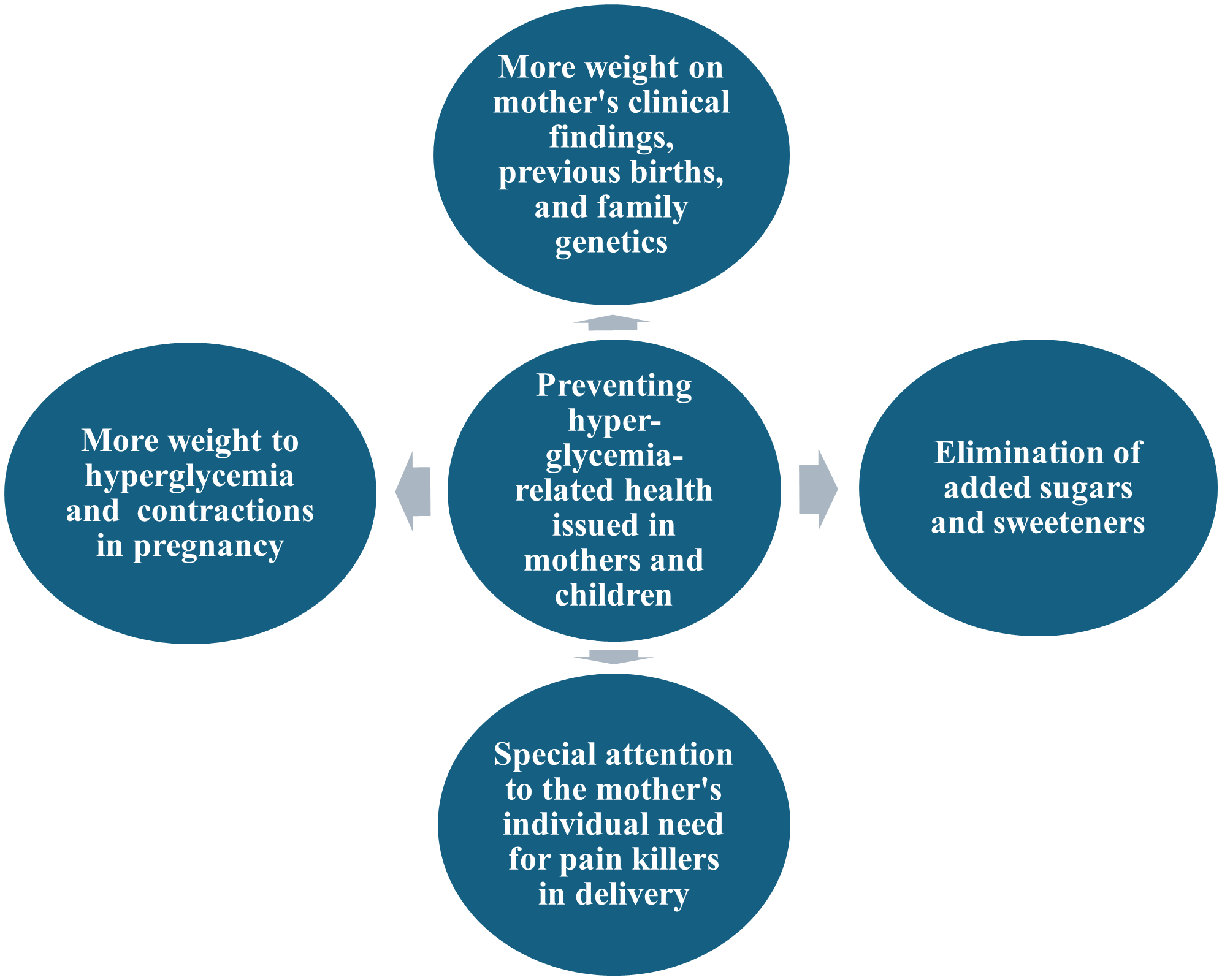
Figure 1. Holistic Approaches for Maternal and Newborn Health.
This case study concludes that the old name for diabetes is still valid: a sugar disease. If one’s body cannot tolerate sugar, avoidance is vital, rather than compensating for it with insulin without any dietary constraints. Today’s standard of living is often too easy, but it comes with a catch: when something is too easy, such as sweetener consumption in diabetes or pregnancy, there may be something to be concerned about. The logic is the same as with cow’s milk allergy: if milk undergoes technical treatment, as in the production of sweeteners, this does not make it “free” from sugar-related problems or make it milk-free. Thus, avoiding sugar and sweeteners during pregnancy may be essential for maternal and fetal health, particularly in the context of gestational diabetes, hyperglycemia, excessive fetal growth, and pregnancy complications. The cases suggest that dietary patterns and individual predisposition may interact in complex ways and may warrant the elimination of sugars and sweeteners.
The advancements observed following dietary elimination for Zoe provide an important basis for further investigation. An elimination diet that avoids both added sugar and sweeteners may be beneficial for pregnant women, particularly those predisposed to diabetes or with previous pregnancy complications. As the WHO26 states that humans do not need added sugar, avoiding it is reasonable. It is also important to distinguish naturally occurring sugars from added sugars and to recognize that “sugar-free” products often still contain artificial sweeteners.
Overall, this study supports increased awareness of sugar and sweetener consumption during pregnancy and proposes avoiding both as a dietary approach. Rather than assuming that sweeteners are harmless alternatives to sugar, pregnant women and healthcare professionals should consider their potential metabolic implications and individual risk factors when making dietary decisions.
