Journal of Case Reports and Reviews in Medicine (ISSN: 3069-0749)
Review Article Volume: 2 & Issue: 3
















 <
<



Review Article Volume: 2 & Issue: 3
Melkersson–Rosenthal syndrome (MRS) is a rare, chronic neuro-mucocutaneous disease, clinically characterized by a triad of fissured tongue and recurrent orofacial swelling and peripheral facial nerve palsy. The fulltriad is uncommon, and most patients have only one or two findings, making diagnosis difficult and often delayed. MRS etiology is unknown, but genetic predisposition, infectious triggers, immune dysregulation, and allergic mechanisms have been proposed. Histopathological examination may show non-caseating granulomatous inflammation, especially in patients with chronic lip swelling. Corticosteroids remain the main medical therapy, and in case of persistent granulomatous cheilitis or lip edema, intralesional corticosteroids may be considered. This review summarizes the current epidemiology, clinical presentations, pathogenesis, diagnosis, differential diagnosis, and treatment of MRS.
keywords: Melkersson–Rosenthal syndrome; facial palsy; orofacial swelling; granulomatous cheilitis; fissured tongue; orofacial granulomatosis.
Melkersson-Rosenthal syndrome (MRS) is a rare neuro mucocutaneous orofacial granulomatous disorder, clinically characterized by recurrent or persistent orofacial swelling, relapsing facial palsy, and a fissured tongue.1,2 It was fi rst described in 1928 by Ernst Gustaf Melkersson, who identifi ed recurrent facial paralysis and orofacial swelling, and the triad was completed by Curt Rosenthal in 1931, who added the third clinical feature, a fissured tongue3 MRS complete triad is not frequent. In a retrospective study of 36 individuals, orofacial involvement was found in all the patients, however only 25% presented the complete triad.4 Similar findings from other studies highlighted the fact that oligosymptomatic and monosymptomatic variants are more prevalent than the whole syndrome.5-9 This review summarizes the current epidemiology, clinical presentations, pathogenesis, diagnosis, differential diagnosis, and treatment of MRS.
The estimated incidence of MRS is <0.1% in the general population, with a female to male ratio of 2:1. It is most commonly diagnosed in the 2nd and 3rd decades of life, and its occurrence during childhood or in older adults is exceptional.3,5,8
The precise etiology of MRS is not clear. Numerous other conditions, including viral infections (herpes simplex virus HSV1), mycobacterial infections (tuberculosis, leprosy), Down syndrome, psoriasis, thyroiditis, multiple sclerosis, keratitis, diabetes mellitus, Crohn’s disease, and ulcerative colitis have been linked to its etiopathogenesis.10,11 Furthermore, current evidence suggests that the syndrome is probably caused by mechanisms including genetic susceptibility, abnormal immune responses, and allergic disorders.12 Regarding the genetic contribution, it has been suggested by reports of familial cases13-17 Nevertheless, there is not enough data to identify a single causative gene or a conclusive pattern of inheritance. Rather than demonstrating a straightforward Mendelian condition, familial clustering suggests the possibility of genetic predisposition13 On the other hand, previous studies noted a potential link between MRS and a number of immune diseases, such as systemic lupus erythematosus, scleroderma, multiple sclerosis, and sarcoidosis.3,18 Furthermore, benzoates and cinnamon sensitivity have been linked to food allergies and MRS.19,20
MRS clinical manifestations often appear sequentially rather than simultaneously.
Orofacial Swelling
Orofacial swelling is one of the most prevalent symptoms of MRS (75-100%) (Figure 1).21 The lips are particularly frequently affected, producing persistent or recurrent enlargement known as granulomatous cheilitis. Swelling may also involve the cheeks, eyelids, and other facial tissues. The edema may initially be intermittent but can become persistent over time resulting in significant functional and cosmetic impairment. Chronic granulomatous inflammation and lymphatic dysfunction can cause the lips to become hard, swollen, and less sensitive to treatment.
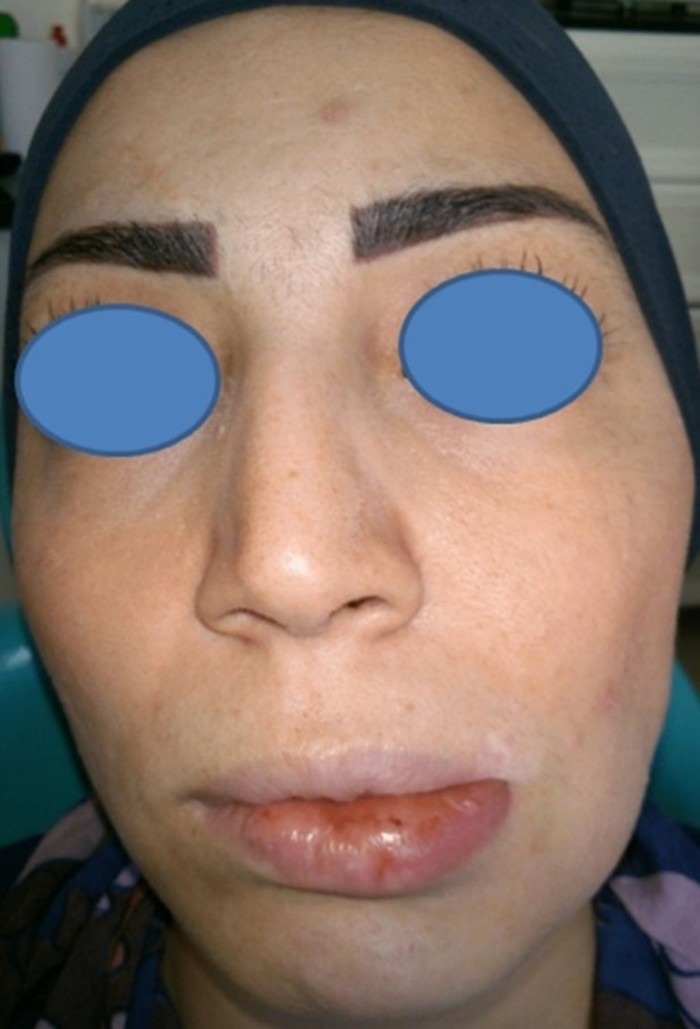
Figure 1. Photograph showing the facial swelling.5
Facial Palsy
Another significant symptom of MRS is paralysis of the peripheral facial nerve. It can mimic Bell’s palsy but tends to reoccur. Facial palsy may appear months to years before the typical oral signs in certain patients. It can be either unilateral or bilateral and occurs in 30-90% of cases. Its duration increases with the progression of the disease. In terms of diagnosis of MRS, recurrent facial palsy is especially crucial, especially in patients with orofacial swelling and/or a fissured tongue.3,5,22
Fissured Tongue
Fissured tongue, or lingua plicata, is the third clinical feature of the classical triad with frequencies varying considerably (30–80%) (Figure 2). Although fissured tongue is common in the general population and is therefore not specific for MRS, its presence in a patient with recurrent facial paralysis and/or orofacial swelling increases the clinical suspicion of the disease.5,17
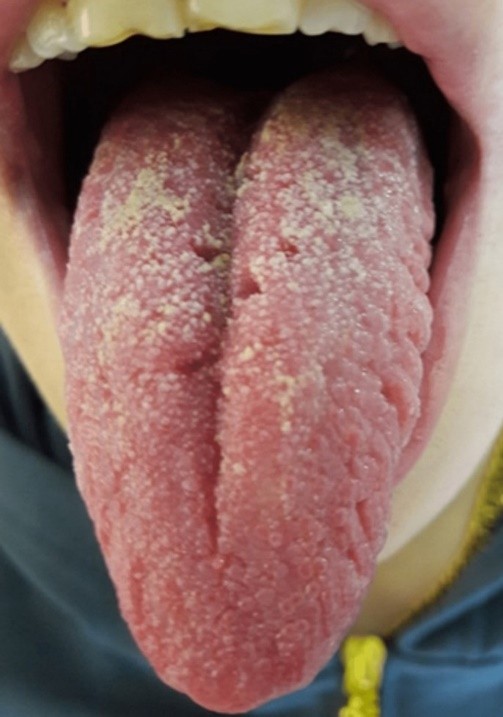
Figure 2. Photograph showing the fissured tongue.5
Other Clinical Features
Gingival enlargement, granulomatous inflammation of other oral sites, periorbital swelling, dysgeusia, dysphagia, migraine, headache, dizziness, and other neurological problems such as tinnitus, deafness, facial paresthesia, and visual disturbances are additional signs that have been documented in the scientific literature.3,23,24
Other cranial nerves like trigeminal, olfactory, auditory, glossopharyngeal, and hypoglossal nerves can also be affected.23 Recurrent episodes of MRS may lead to personality changes, anxiety, and depression (Table 1).3
| Manifestations of the MRS Triad | Other Clinical Manifestations Associated with MRS | Other Clinical Conditions Associated with the Recurrence of MRS |
|---|---|---|
| Orofacial Swelling | Gingival enlargement | Personality changes |
| Facial Palsy | Granulomatous inflammation of other oral sites | Anxiety |
| Fissured Tongue | Periorbital swelling | Depression |
| Dysgeusia | ||
| Dysphagia | ||
| Migraine | ||
| Headache | ||
| Dizziness | ||
| Tinnitus | ||
| Deafness | ||
| Facial paresthesia | ||
| Visual disturbances |
Table 1: Clinical manifestations associated with MRS.
Since there is no specific test for MRS, its diagnosis is primarily based on clinical features. The presence of two of the three classical manifestations of the triad can establish a positive diagnosis.5,13 Patients with incomplete clinical presentations may benefit most from histological evidence of granulomatous cheilitis12 However, clinicians should rule out other causes of granulomatous inflammation, lip swelling, and recurrent facial palsy. Additionally, investigations may involve blood tests to rule out infectious diseases and autoimmune conditions like sarcoidosis or Crohn’s disease.3
Differential Diagnosis
A number of diseases that might cause granulomatous cheilitis, recurrent facial paralysis, or facial oedema are included in the differential diagnosis. Conditions like sarcoidosis, tuberculosis, angioedema, allergic contact reactions, idiopathic granulomatosis cheilitis, recurrent Bell’s palsy, Crohn disease-associated orofacial granulomatosis, and other granulomatous infections have to be considered.8,25
Histopathology
Although not mandatory in every patient, a histopathological investigation can yield important supporting evidence, especially when orofacial swelling is present. A non-caseating granulomatous inflammatory response, sometimes referred to as sarcoid-like granulomas, is one of the findings. In the lamina propria, edema, fibrosis, congestion, and vasodilatation can be noticed.
Regarding the evolution time of the disease, we demonstrated that, in initial phases, there is a lymphoplasmacytic inflammatory infiltrate, followed by a granulomatous infiltrate and, subsequently, fibrosis.26
Management and Prognosis
MRS does not have a specific treatment; instead, symptom control is the main emphasis of management. Corticosteroids are traditionally prescribed, with suggested courses lasting 3 to 6 weeks; the systemic route may be used for major inflammatory manifestations and facial palsy, while the intralesional route, particularly triamcinolone, can be useful for persistent lip swelling or granulomatous cheilitis. There is evidence to believe that corticosteroids lead to 50-80% of cases improvement and reduce relapse occurrence by 60-75%.5,10
In the case of children with MRS or a bacterial superinfection, antibiotics may be necessary.10,27 Additionally, in refractory patients, although responses have been inconsistent, immunomodulatory drugs, including azathioprine, methotrexate, thalidomide, tacrolimus, and biological therapies targeting tumor necrosis factor (anti-TNF), have been suggested.8 Although facial palsy typically resolves within approximately three weeks, patients may benefit from physical therapy to help maintain muscle function.
On the other hand, in cases of persistent or refractory swelling where medical treatment has failed, surgery may be an option. Cheiloplasty can enhance both the cosmetic appearance and oral function for certain patients. However, it is important to note that surgery does not guarantee prevention of recurrence, as the underlying inflammatory tendency may still persist. Furthermore, facial nerve decompression may be considered in specific instances where compression is believed to be the possible cause.28,29
MRS generally follows a chronic and relapsing course. Facial palsy may recur, while recurrent swelling can persist. The condition is usually considered benign from a life-threatening point of view, but it can lead to considerable esthetic, psychological, neurological, and functional morbidity.10
The complete triad of MRS is uncommon, and its oligosymptomatic features are significantly more frequent, leading to diagnostic delay. Its etiology remains unclear, even if genetic, infectious, allergic, and immunological mechanisms have been suggested. MRS diagnosis is mainly clinical and the differential diagnosis should include a number of diseases that might cause orofacial swelling or recurrent facial palsy. Corticosteroids remain the first line treatment, while intralesional therapy and surgical reduction of persistent enlargement may be beneficial in selected patients. Nevertheless, treatment recommendations primarily rely on low level evidence, highlighting the necessity for prospective studies and standardized diagnostic and therapeutic criteria.
